Retail Sales Specialist — Digital Imaging — Arlington, TX
I sell complete digital imaging solutions — cameras, lenses, and the accessories that go with them — by starting with a conversation instead of a pitch. Most customers walk in with a vague idea of what they want and a much clearer idea of what they’re actually trying to capture, so my job is asking the right questions to close that gap before I ever recommend a product. I hold a strong working knowledge of camera systems, their functionality, and the accessory ecosystem around them, and I coach other floor associates on new vendor technology as it rolls out. Beyond the sales floor, I help maintain the department’s merchandising and readiness so the next customer who walks up gets the same experience I’d want to walk into.
Part of Apple’s Support College Program — a role designed for university students who can bring both technical fluency and communication skills to customer support. I work remotely, taking calls across the full Apple product line and using the PAIR framework (Probe, Analyze, Isolate, Resolve) to get to the real problem before proposing anything. The role has sharpened my ability to translate technical complexity into plain language under time pressure, and to document what I learn so the next advisor doesn’t start from scratch. I hold a 96% quality compliance score and 97%+ case-logging accuracy — not by following the script, but by knowing when to go off it.
Technical SupportCase DocumentationBilingual EN / ESCollege Program
University Project Work
Case Study — CTEC 4350 Capstone
Maroon 9 Community
Enrichment Organization
A full website redesign for a Fort Worth non-profit that uses theatre arts to empower youth and advocate for Sickle Cell Disease awareness. Their existing Wix site had no visible navigation, broken URL slugs, and an empty footer. We audited it, specified a replacement, and shipped a 7-page PHP site with JSON-driven content, live PayPal donation integration, and a staff portal — handed off production-ready.
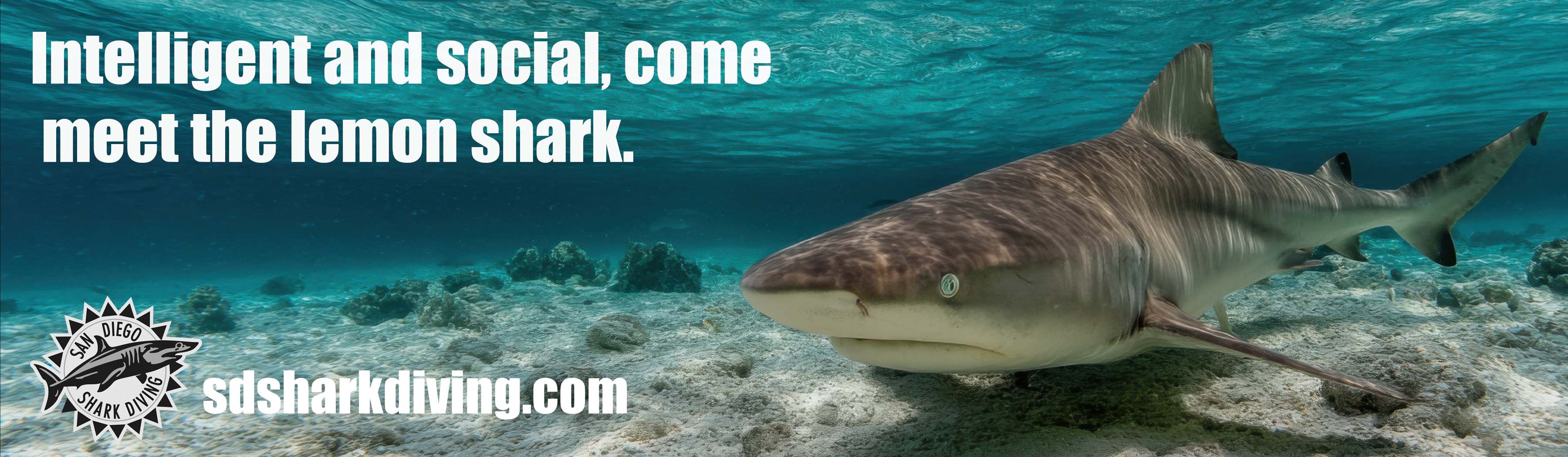
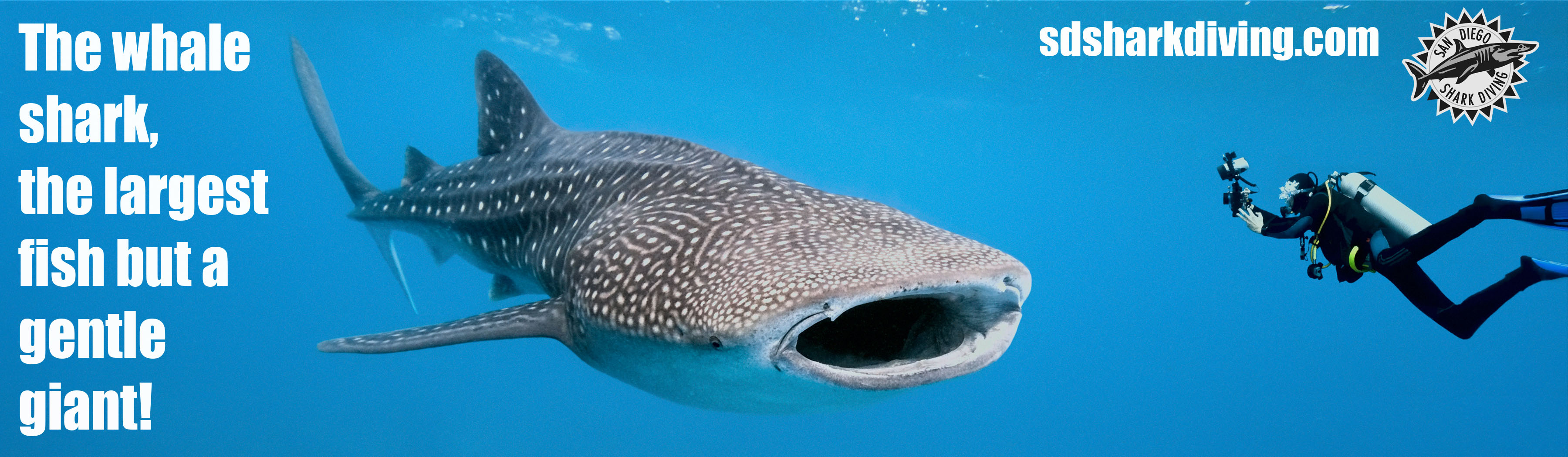
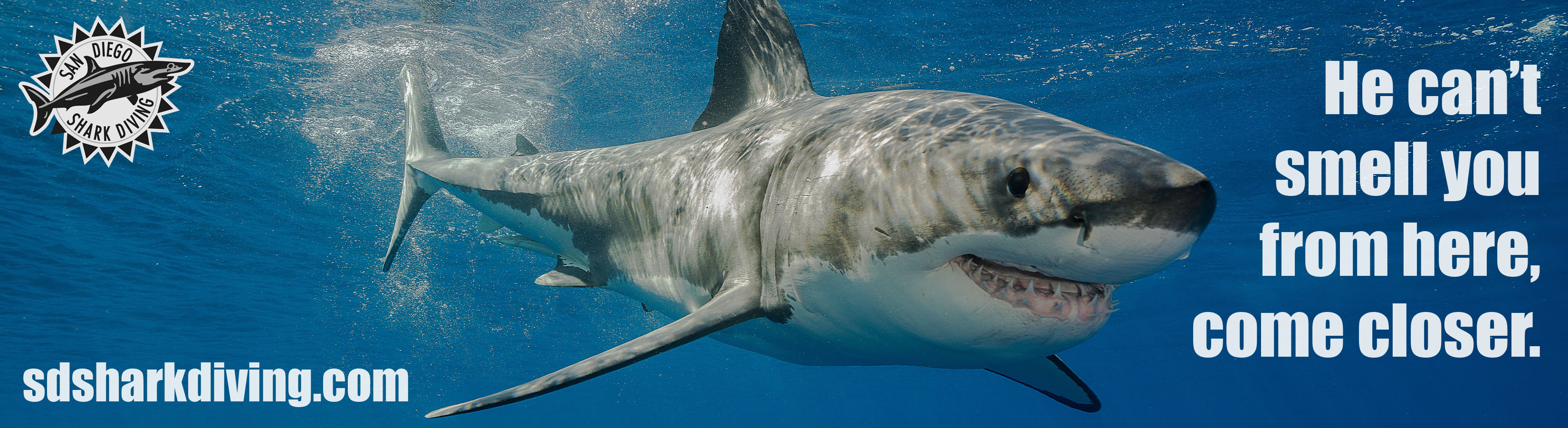
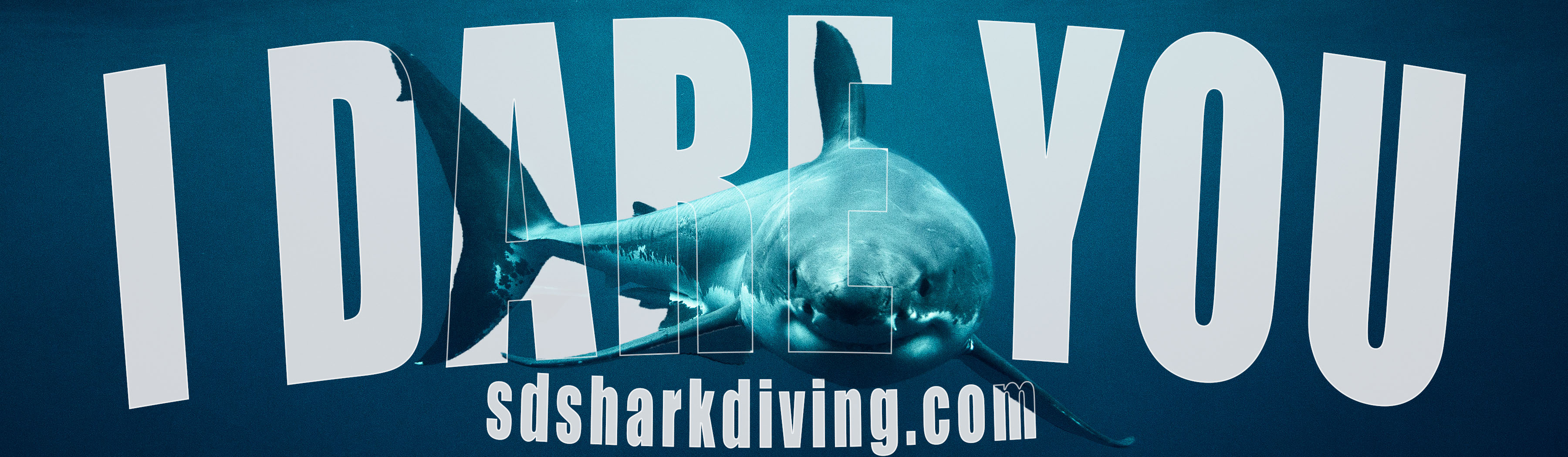
The brief was to distill shark diving down to a single word or idea and build an outdoor board campaign around it. The creative challenge: shark diving sells on a feeling, not a feature. I landed on four distinct emotional registers — education, wonder, humor, and provocation — each targeting the same thrill-seeker audience from a different angle. The four executions aren’t variations on a theme; they’re four different arguments for the same action. That range was the point.
Education — reframe the fearWonder — scale as invitationHumor — disarm with the punchlineProvocation — make it a challengeEducation — reframe the fearWonder — scale as invitationHumor — disarm with the punchlineProvocation — make it a challenge
02
Texas Dept. of Transportation
ADVT 3308 — Institutional campaign, 3 bus shelter posters
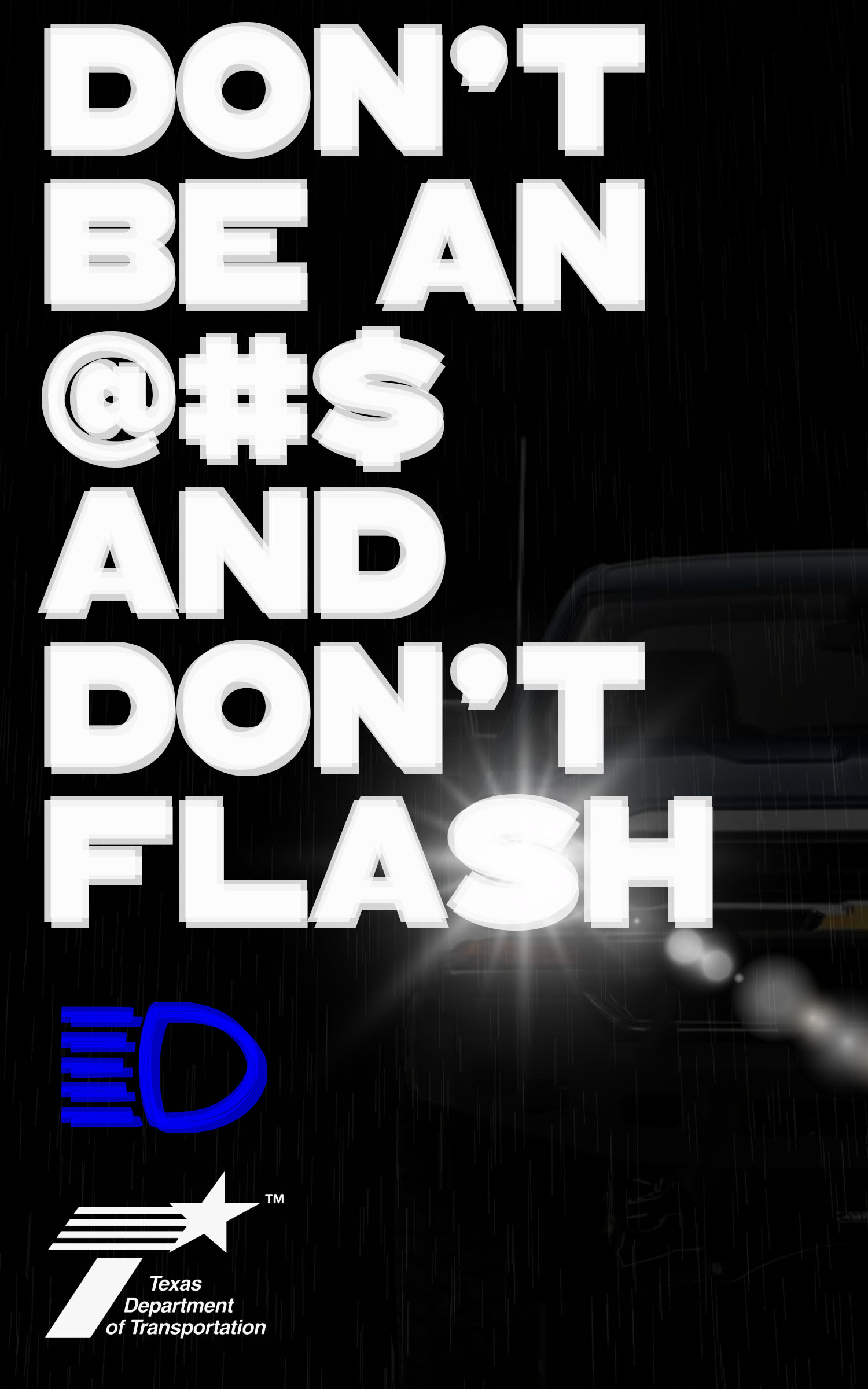
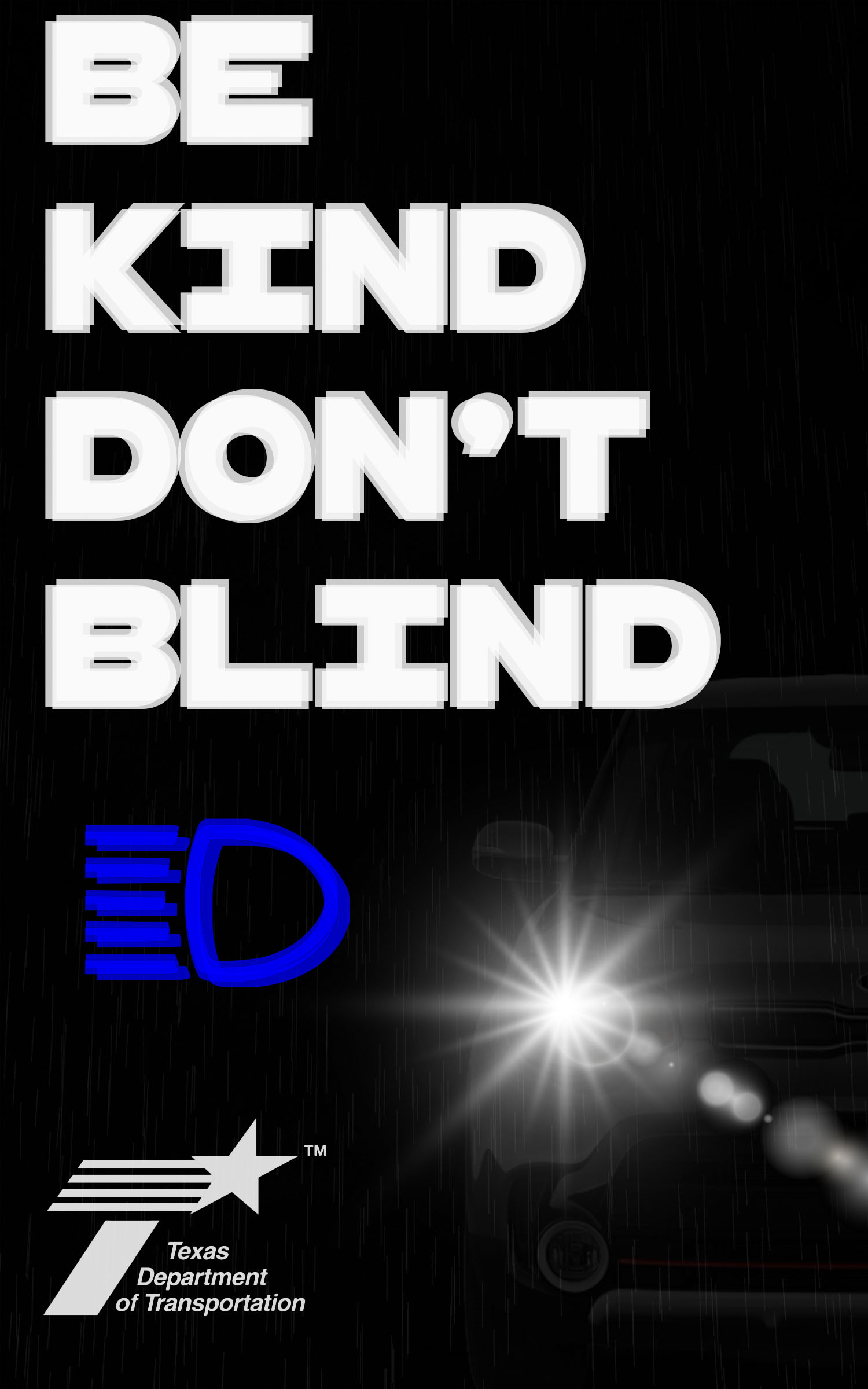
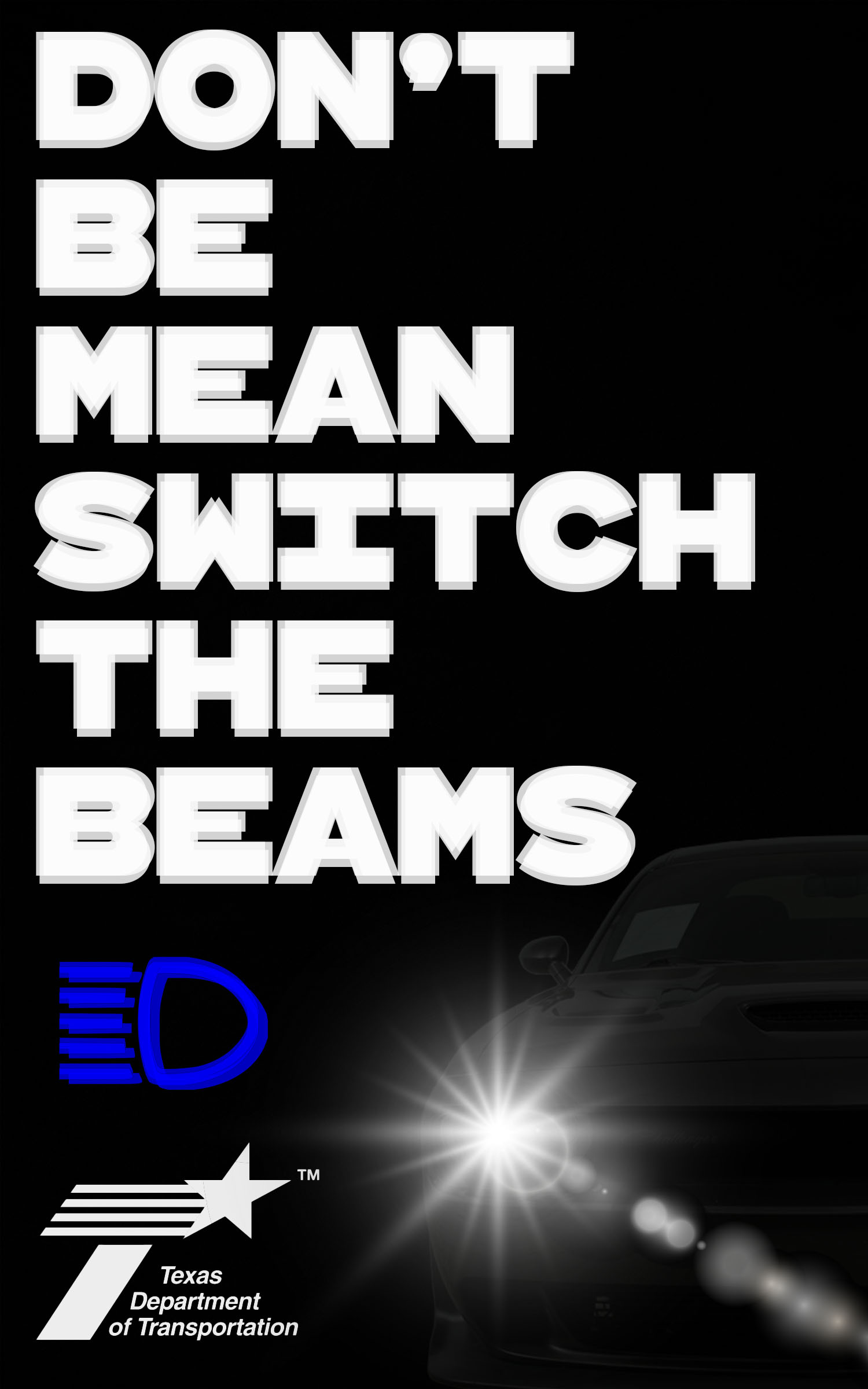
The brief was to do for high beams what “Don’t Mess With Texas” did for littering — create an institutional campaign that shifts driver behavior through a simple, repeatable message. The posters would live as bus bench shelter displays: a 2.5 x 4 format seen by drivers at a glance from a moving car. I started with 24 thumbnail sketches and a positioning statement, then settled on a voice that was direct enough to cut through and human enough not to lecture. Three executions, each with a distinct headline, all built on the same blackout-and-glare visual system.
“Don’t be an @#$”“Be Kind, Don’t Blind”“Switch the Beams”
Three executions across two separate briefs, grouped here by format range. The Gorilla Glue work shows the same key message translated across a magazine ad and a social post. The Mama Zuma’s work is a Point-of-Purchase display built for a different kind of moment entirely.
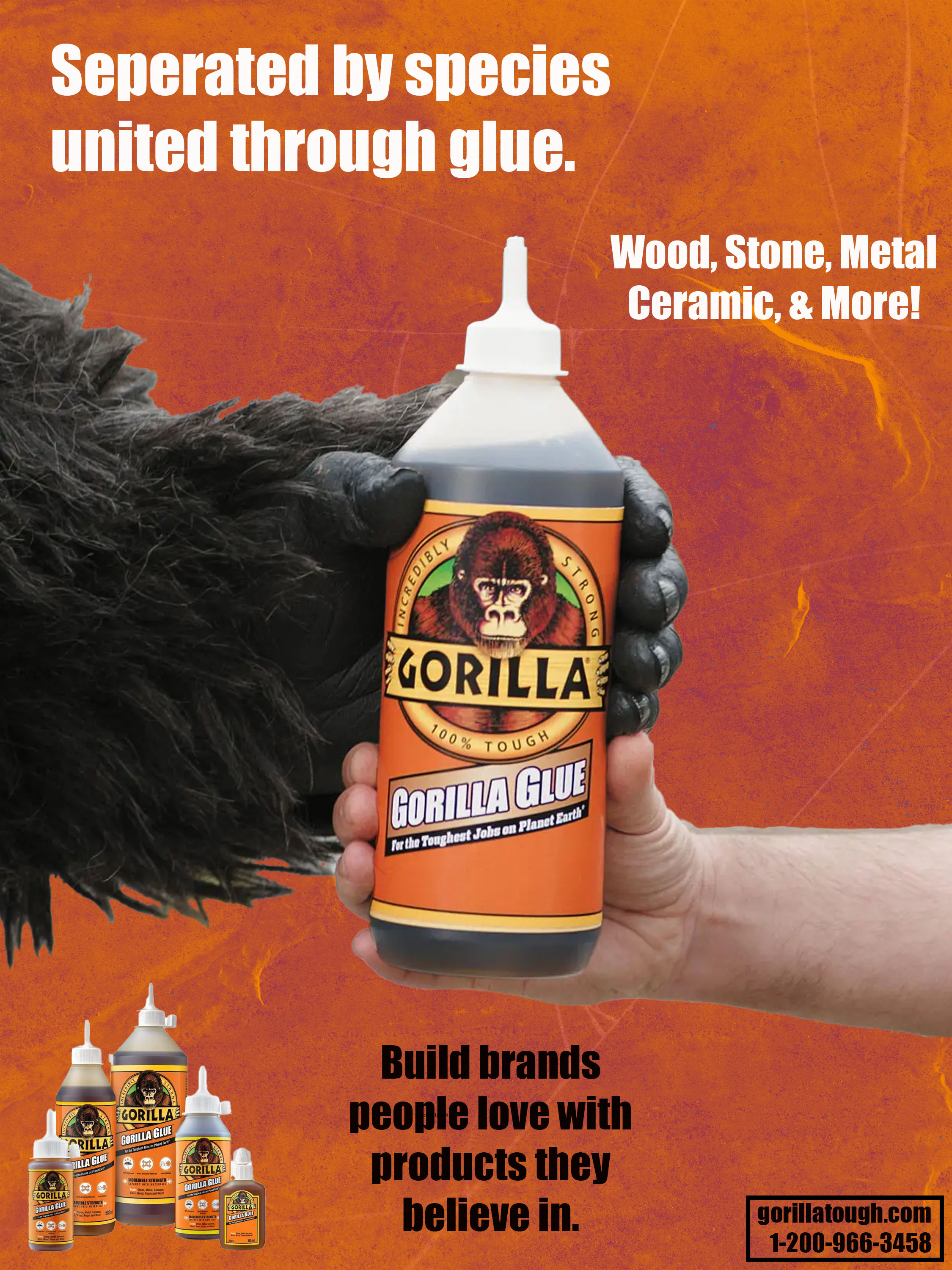
Magazine ad — 7.5” × 10”
Gorilla Glue — Poster Board & Social Media Ad
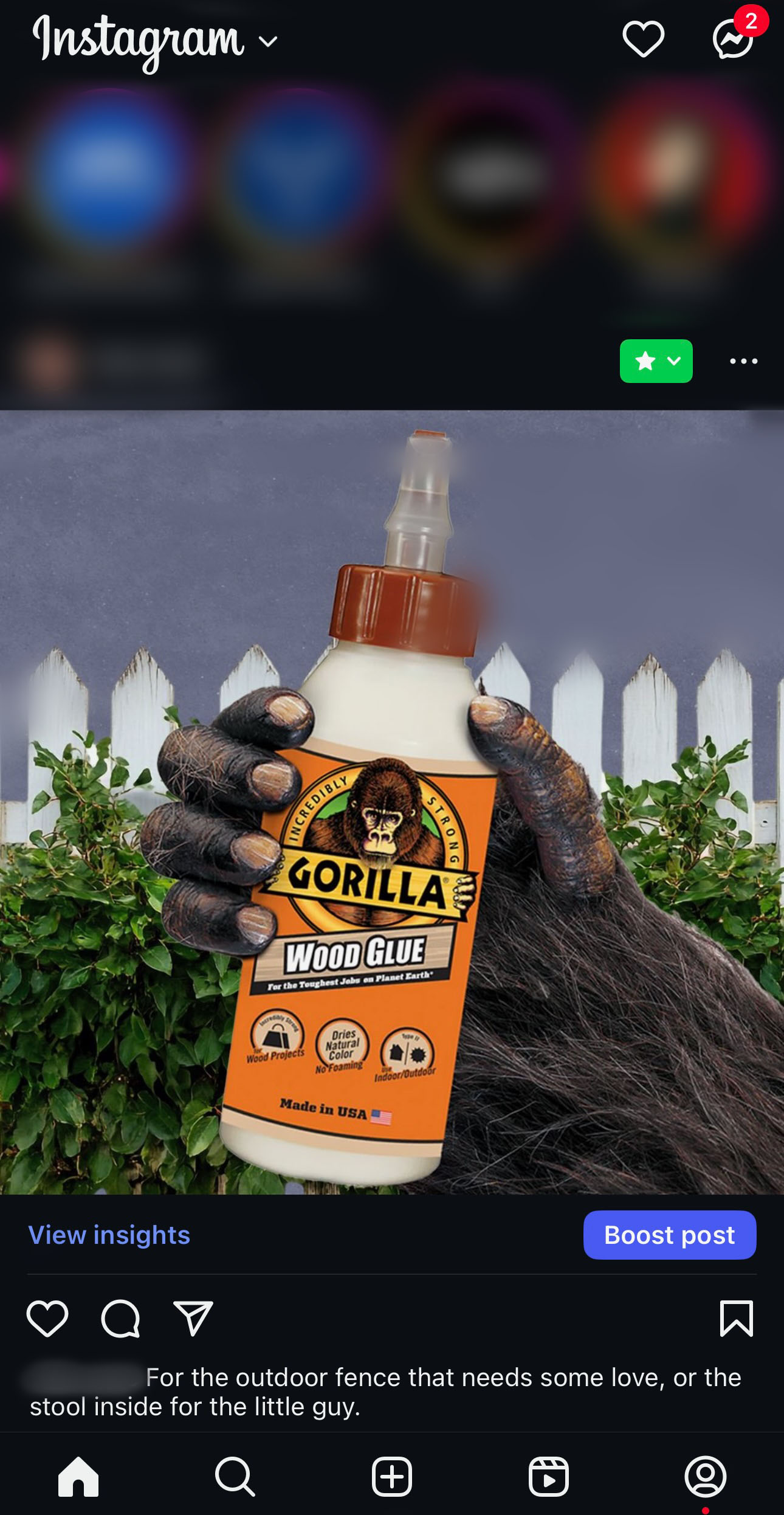
The magazine brief was to take an existing Gorilla Glue ad, distill the key message down to a single word or idea, and rebuild the ad completely. I landed on “unity” — the gorilla hand and human hand sharing the same bottle said more about the product than any feature list could. The social brief followed: adapt that same key message into an Instagram post with a caption that worked in the register of the platform, not the register of print.
Instagram post — in situ mockup
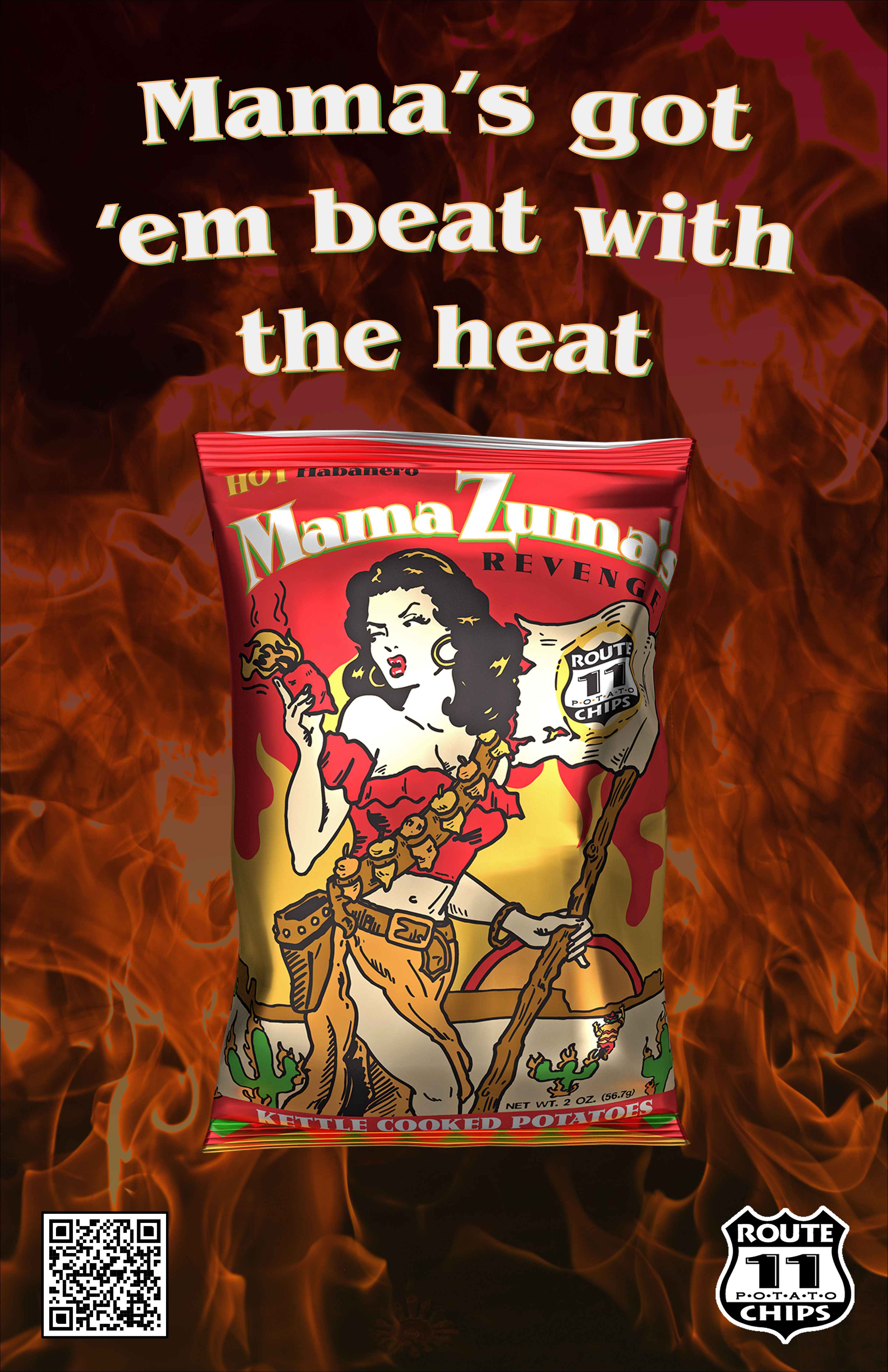
Point-of-Purchase poster — tabloid
Mama Zuma’s Revenge — Point-of-Purchase Display
The brief was to develop a positioning and create a Point-of-Purchase display that could drive a spontaneous purchase at a convenience store checkout. POP advertising has about two seconds to work — it has to be loud, clear, and direct. I anchored the design around the bag as hero shot and let the fire environment do the rest. The headline doesn’t explain the heat, it confirms it.
04
Antarctica — Beyond the Ice
Multimodal Communication — Poster series, of 2 deliverables
Print PosterArchive PromotionConcept Direction
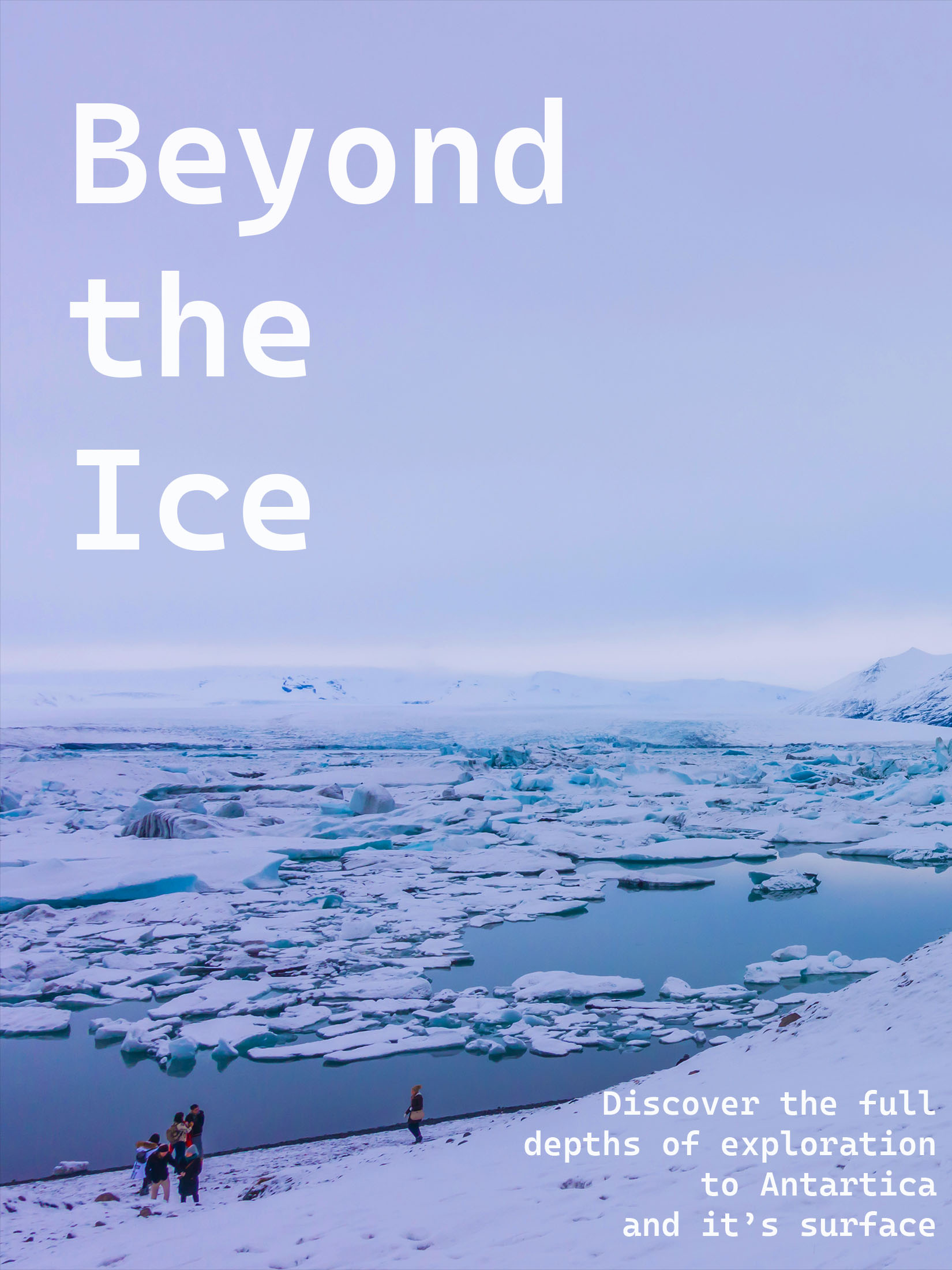
Expedition poster — 11” × 17” tabloid
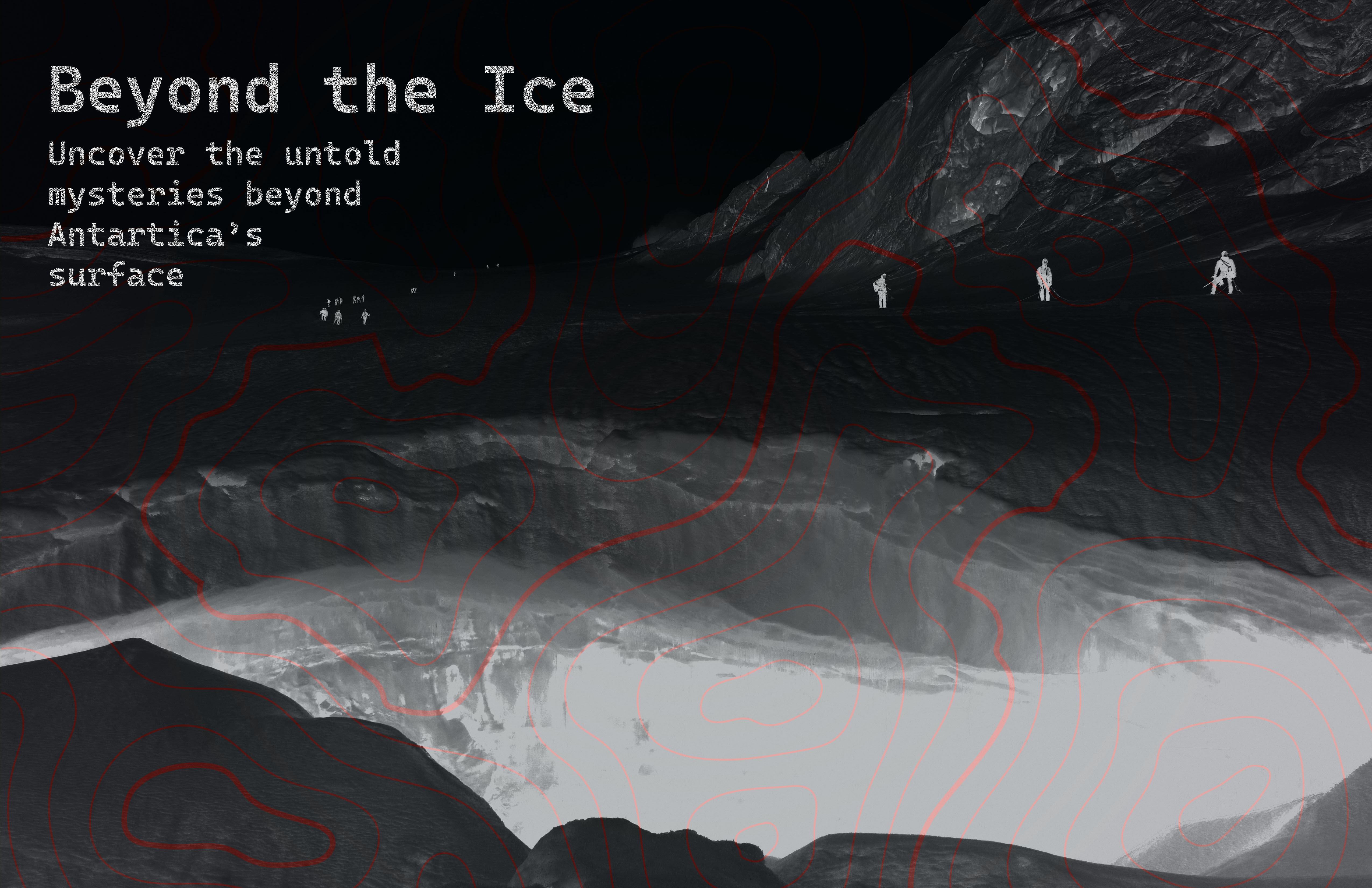
The assignment was to promote the university library’s Antarctica map collections to a general audience through a series of 11”×17” print posters. The theme — “Beyond the Ice” — challenged the idea that Antarctica is only cold and empty, asking instead what the maps reveal and the stories they carry. I chose the Poster Series deliverable and completed two executions. Each targets a different reader: one invites curiosity with open light and landscape, the other earns attention with the visual language of expedition — topographic overlays, thermal scale, the suggestion of risk. The map is the artifact; the poster is the argument for why it matters.